13 Nov 2026
Device Sensor Integration Effects on Strategy Adaptation Within Touchscreen Roulette Variants
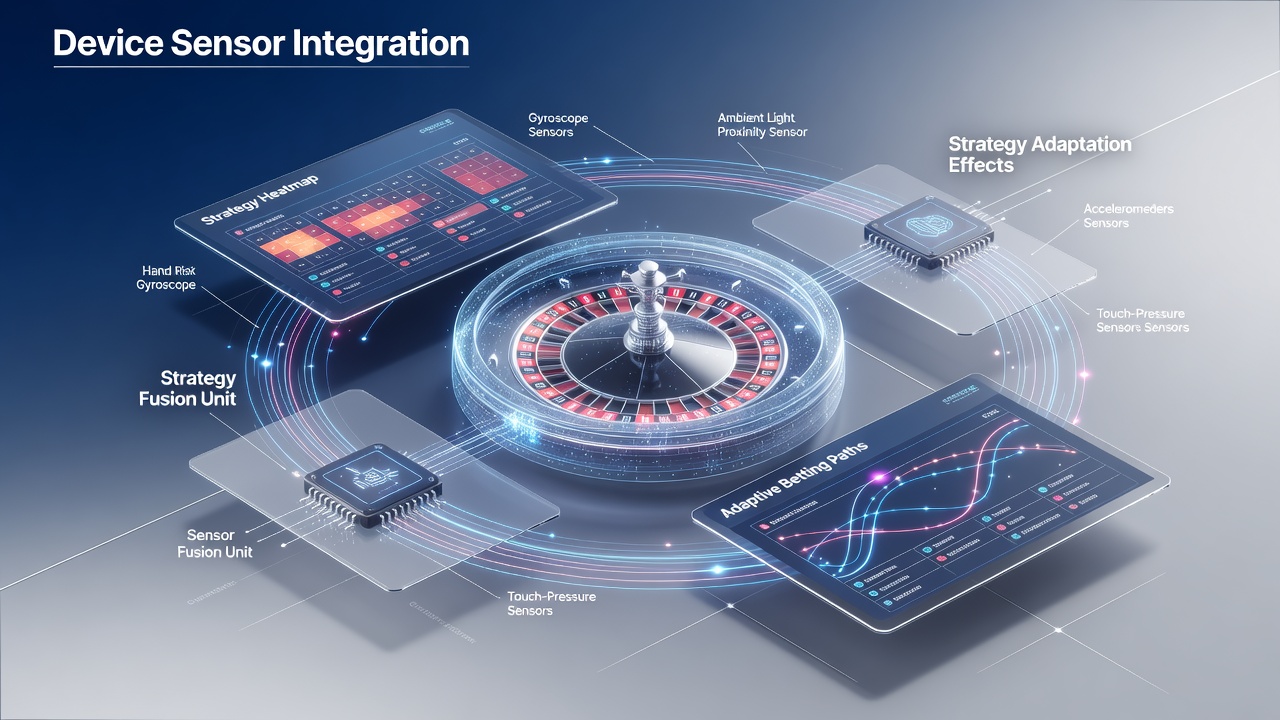
Touchscreen roulette variants have incorporated device sensors such as accelerometers, gyroscopes, and haptic feedback systems since the mid-2020s, and these integrations alter how players adjust their betting sequences in real time. Accelerometers detect tilt and orientation changes while gyroscopes track rotational movements, allowing interfaces to respond to physical gestures that replace traditional tap-only inputs. Researchers at several gaming technology firms documented that players shift from static chip placement to dynamic adjustments based on device angle, which changes bet sizing patterns across European and American roulette formats on portable screens.
Sensor Types and Their Technical Roles
Modern mobile roulette applications use multiple sensors in combination, and data from device APIs feeds directly into game engines to modify wheel spin simulations or betting zones. Proximity sensors detect finger distance for hover-based selections, whereas magnetometers contribute orientation data that aligns virtual tables with physical surroundings. Studies conducted through 2026 show that these combined inputs reduce input latency by measurable margins in controlled tests, yet they also introduce new variables when players rotate or tilt devices during live dealer sessions. Observers note that European roulette variants with single-zero wheels see more frequent sensor-driven bet modifications because the lower house edge encourages finer adjustments through motion controls.
Observed Changes in Player Decision Patterns
Strategy adaptation appears when players leverage tilt gestures to expand or contract betting grids without lifting fingers from the screen, and this behavior shows up consistently across multiple app platforms. Data collected from session logs in November 2026 indicates that users who activate motion controls place more outside bets during extended sequences compared with tap-only sessions. Gyroscope integration allows quick switches between column and dozen selections through wrist rotation, which shortens decision time but requires recalibration when device cases alter sensor sensitivity. Those who've examined usage statistics find that American roulette variants with double zeros prompt fewer aggressive tilt maneuvers because the higher variance discourages rapid physical adjustments.
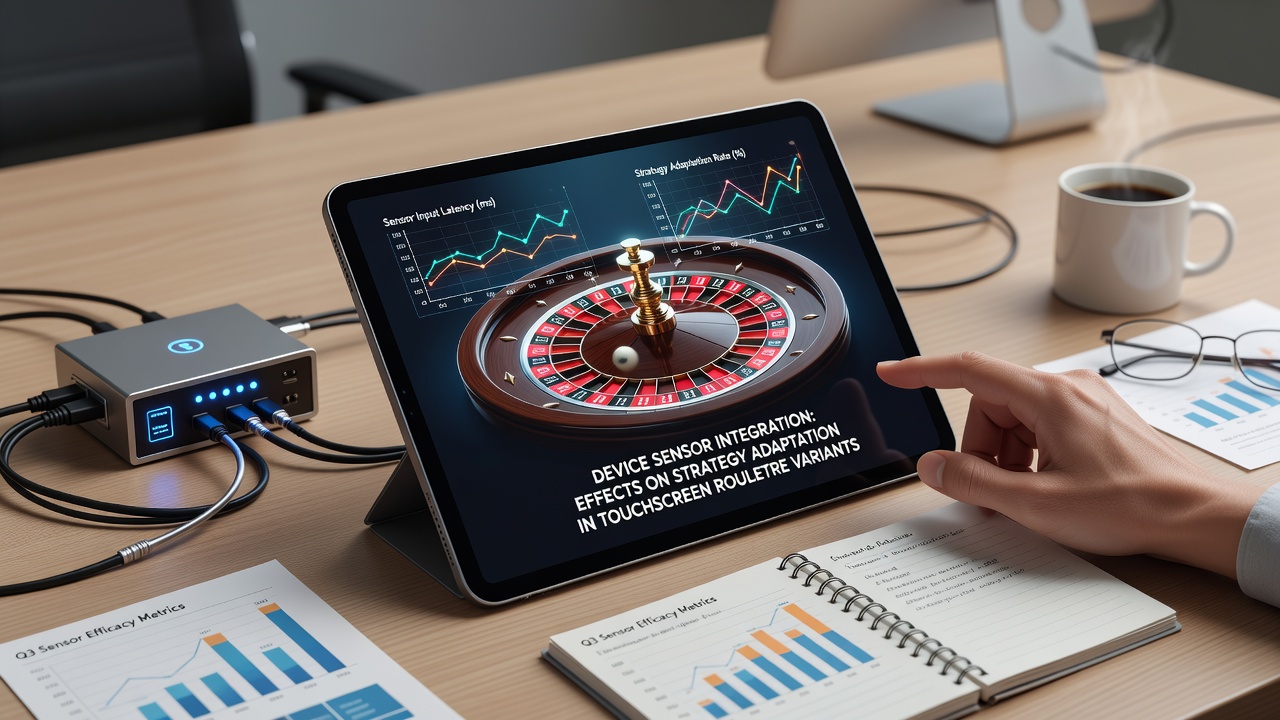
What's interesting is how haptic feedback loops reinforce these adaptations, since vibration cues confirm when a tilt gesture registers a new chip stack. Platform developers report that players who combine sensor inputs with traditional taps maintain longer session lengths on average, though exact figures vary by operating system and device model. Regulatory filings from gaming authorities in multiple jurisdictions list sensor calibration standards as part of compliance requirements, and these standards affect how strategy tools display probability overlays during motion-based play.
Regional Implementation Differences
Markets in North America and parts of Asia adopted sensor-heavy roulette variants at different rates through late 2026, and cross-border data comparisons reveal distinct adaptation curves. In regions governed by the Alcohol and Gaming Commission of Ontario, operators must log sensor accuracy metrics alongside random number generator outputs. Australian state regulators similarly track how accelerometer responses influence minimum bet thresholds during promotional periods. These requirements shape the way variant designers balance gesture sensitivity against responsible gaming prompts that pause play after repeated tilt inputs exceed set thresholds.
One study released by an academic research group in Singapore examined 12 months of aggregated telemetry and found that gyroscope-enabled column betting rose sharply once players completed an initial calibration tutorial. The same analysis showed reduced inside-bet frequency when proximity sensors triggered automatic zoom features on number grids. Platform analytics indicate that users in these markets often alternate between sensor modes and manual controls within single sessions, creating hybrid strategies that blend physical movement with on-screen selections.
Technical Constraints and Measurement Challenges
Device heterogeneity creates measurable inconsistencies because sensor quality differs across budget and flagship models, and calibration drift occurs after software updates or case additions. Industry reports compiled by the International Association of Gaming Regulators highlight the need for standardized testing protocols that account for temperature effects on accelerometer readings. Developers respond by embedding fallback modes that disable motion controls when variance exceeds predefined limits, which in turn affects how players revert to conventional strategies mid-session.
November 2026 telemetry snapshots from several major operators demonstrate that adaptive algorithms now adjust gesture sensitivity based on individual play history, and this personalization influences bet distribution across dozens and columns. Those monitoring these systems observe that players who frequently use tilt controls show tighter clustering around even-money wagers during high-volatility periods, whereas tap-dominant users spread selections more evenly.
Conclusion
Device sensor integration continues to reshape interaction mechanics in touchscreen roulette variants, and the resulting strategy adaptations reflect both hardware capabilities and regulatory frameworks across jurisdictions. Ongoing data collection through 2026 and beyond will clarify how these physical inputs interact with established betting systems, while developers refine calibration methods to maintain consistent experiences across device types. Players encounter evolving interfaces that reward precise motion control alongside traditional selections, producing measurable shifts in session patterns and bet selection frequencies.